
The journal of the True Testament Assembly
Studies in Marcionite Christianity, Canon, and Origins. Edited by W. C. Muenchow IV
Topic
Paul
12 articles, newest first
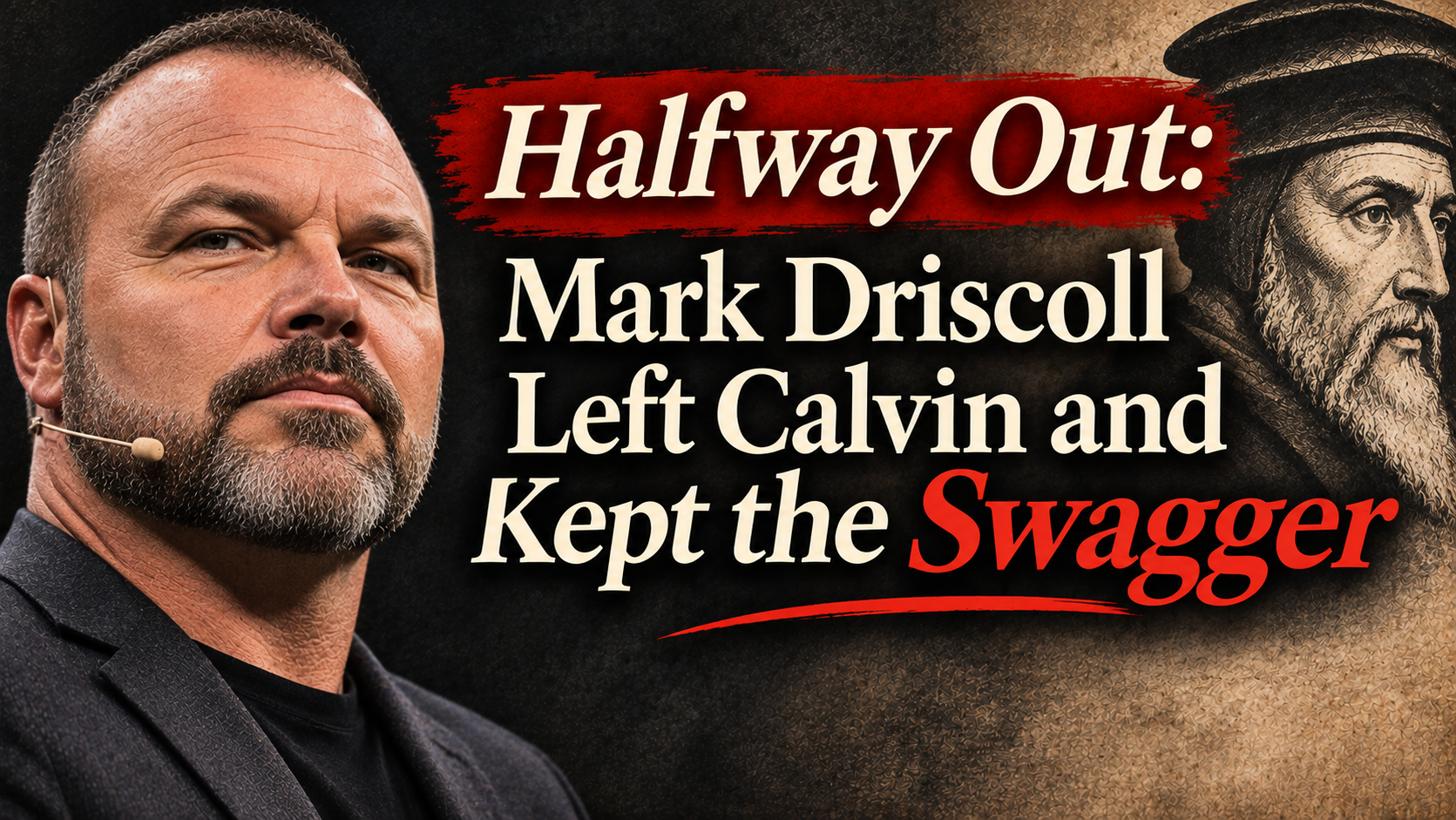 Halfway Out: Mark Driscoll Left Calvin and Kept the SwaggerIn 2019 Mark Driscoll called the five points of Calvinism garbage, and on God he moved closer to us than to Calvin. But he kept his picture of a man. We checked his verses for men against our canon: some are there, the sharpest are not, and the ones that remain ask for something he does not preach.Nov 10
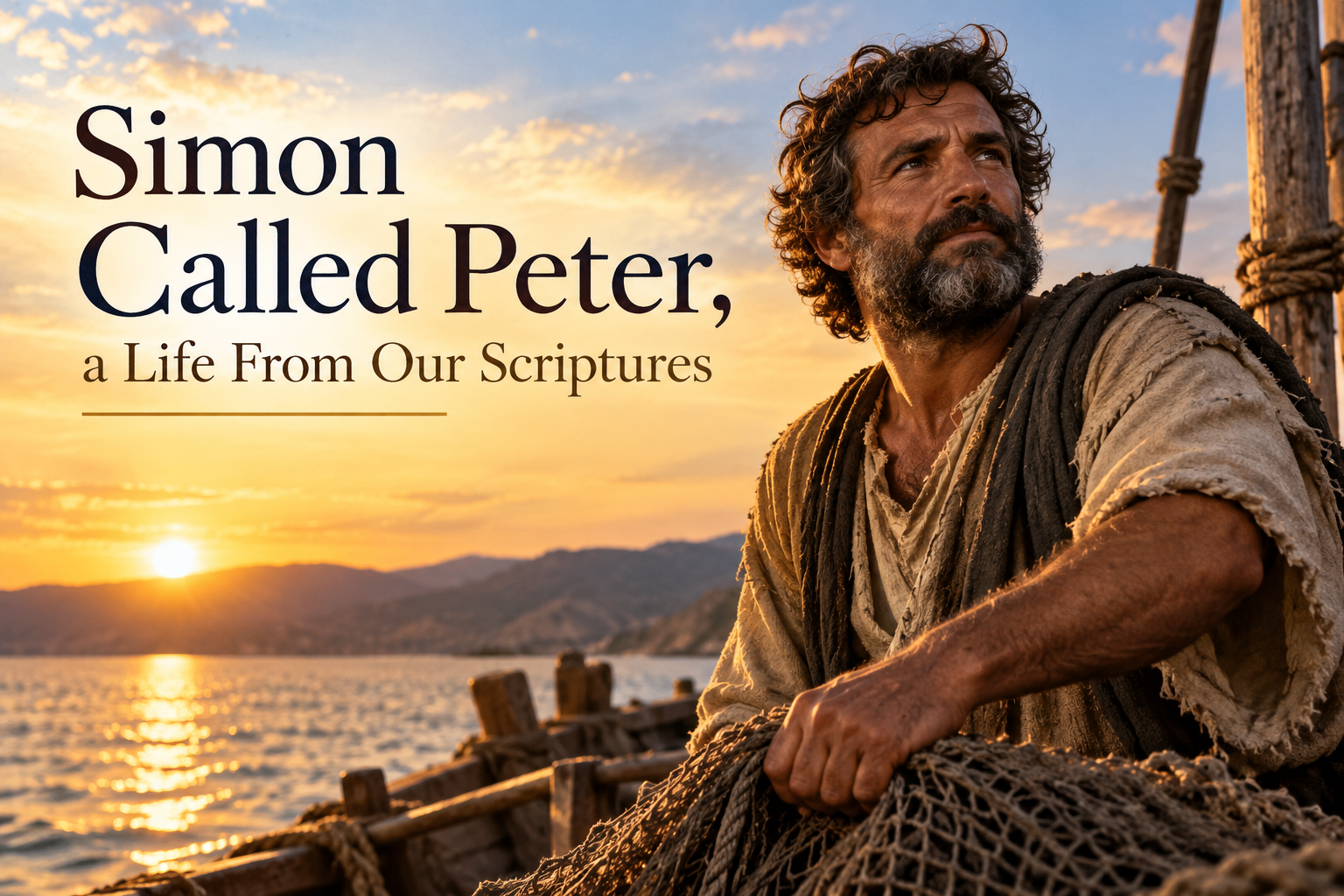 Simon Called Peter, a Life From Our ScripturesMost of what people believe about Peter comes from books outside our canon: the rock, the keys, the bishop of Rome. Read only the True Testament and a different man appears. He is a fisherman who knew he was a sinner, then sat in judgment on a sinful woman. He confessed Christ, wanted Moses and Elijah kept beside him, and denied him three times. Years later Paul found him at Antioch, still afraid of the men who kept the Law. Peter walked with Christ every day of the ministry, and he is the clearest proof in our scripture that being near Jesus is not the same as being rescued.Oct 30
 Philemon and the Missing Names: How Bilby's Marcionite Paul Reads Silence as HistoryMark Bilby’s 2023 translation of Marcion’s Paul argues that Marcion’s letters came first and the church enlarged them. But it measures Marcion’s Paul by what his enemies quoted, and treats the gaps as history. Philemon exposes the method: Tertullian says it was the one letter Marcion never touched, yet Bilby’s edition leaves its names and “the elder” blank, then counts those blanks as later church additions. The early writers were silent about Philemon because it gave them nothing to fight over. Our True Testament prints it whole, on Tertullian’s word.Oct 22
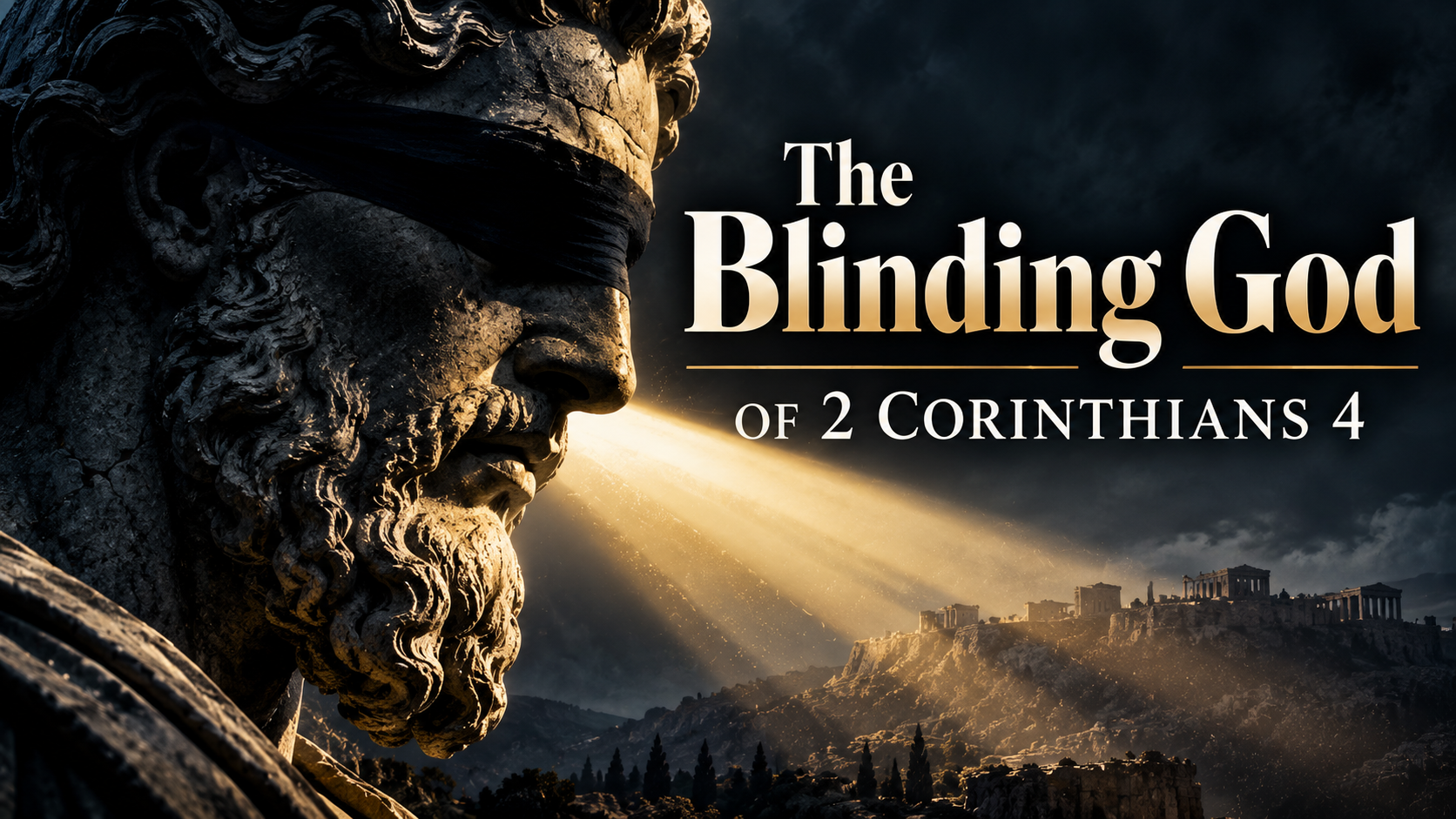 The Blinding God of 2 Corinthians 4One sentence of Paul says that the god of this aeon has blinded the minds of the untrusting so that the light of the Evangelion of Christ's glory might not shine to them. Marcion read it as written. For eighteen centuries the Imperial Church has not been willing to. Irenaeus moved the words. Tertullian moved the words, then said the devil was meant, then in the same chapter called the Creator the God of this age. Augustine, answering a Marcionite book in Carthage around 420, moved the words again and then said plainly that the true God does blind minds, by a judgment "most just though most hidden." This article sets the three readings side by side in their own words, Tertullian and Augustine in their own Latin, shows what each one concedes, and gives ours.Oct 16
 When the Creator Is SeenMost Christians picture the end as a series of arrivals: a rapture, a tribulation, an Antichrist, a throne in Jerusalem, a final sorting. Our end turns on something being seen. Paul says the god of this aeon has blinded minds so that the light of Christ might not shine, and the end is that blindness lifting. We hang the whole order on one event, the revealing of the person of fault, whom we hold to be the Creator. Christ is the image of the invisible God, and no one can recognize the Father’s image while the Creator still passes for the Father. So the false god must be seen before the true Son can be. This article walks through the order step by step: the blindness, the first crack, the defection, the revealing, the Son seen, the fire that makes every work manifest, the closing of the aeon, and the reconciliation of all things. It also draws on Tertullian, who reports that Marcion read the god of this aeon as the Creator.Oct 10
 The Gospel You Can Smell: Paul’s Theology of AromaPaul describes the proclamation of Christ as an aroma carried “in every place.” His metaphor draws upon a sensory world in which meals, civic processions, sacrifices, medicines, and burials all possessed recognizable smells. Aroma could announce hospitality, identify a public celebration, accompany healing, honor the dead, or disclose decay. In 2 Corinthians, Paul uses this shared cultural experience to explain how the Evangelion becomes present through ordinary people. The aroma reaches both those being rescued and those who perish. Its reception differs, but its reach does not. The assembly therefore carries the knowledge of Christ without coercion, corruption, or confidence in its own persuasive power.
All scripture quotations and references in this article are from the True Testament.Oct 1
 More Than a Greeting: Grace and Peace in Paul’s Opening WordsEvery letter in the Apostolikon opens with the language of grace and peace. Although Paul retains the recognizable structure of an ancient letter—sender, recipients, and greeting—he transforms the conventional greeting into a compressed statement of the Evangelion. Grace names the Father’s unearned action toward people who could not rescue themselves. Peace names the condition produced through Christ when the Creator’s Law, accusation, and dividing order no longer determine one’s standing. Before Paul corrects, teaches, warns, or requests anything, he places his readers inside grace and peace. These words are therefore more than polite wishes. They establish the theological atmosphere of the entire Pauline correspondence.Oct 1
 How Did the Apostle Paul Die?How did the apostle Paul die? The True Testament shows Paul's own letters never describe his death. The Roman beheading story is later tradition, not scripture.Oct 1
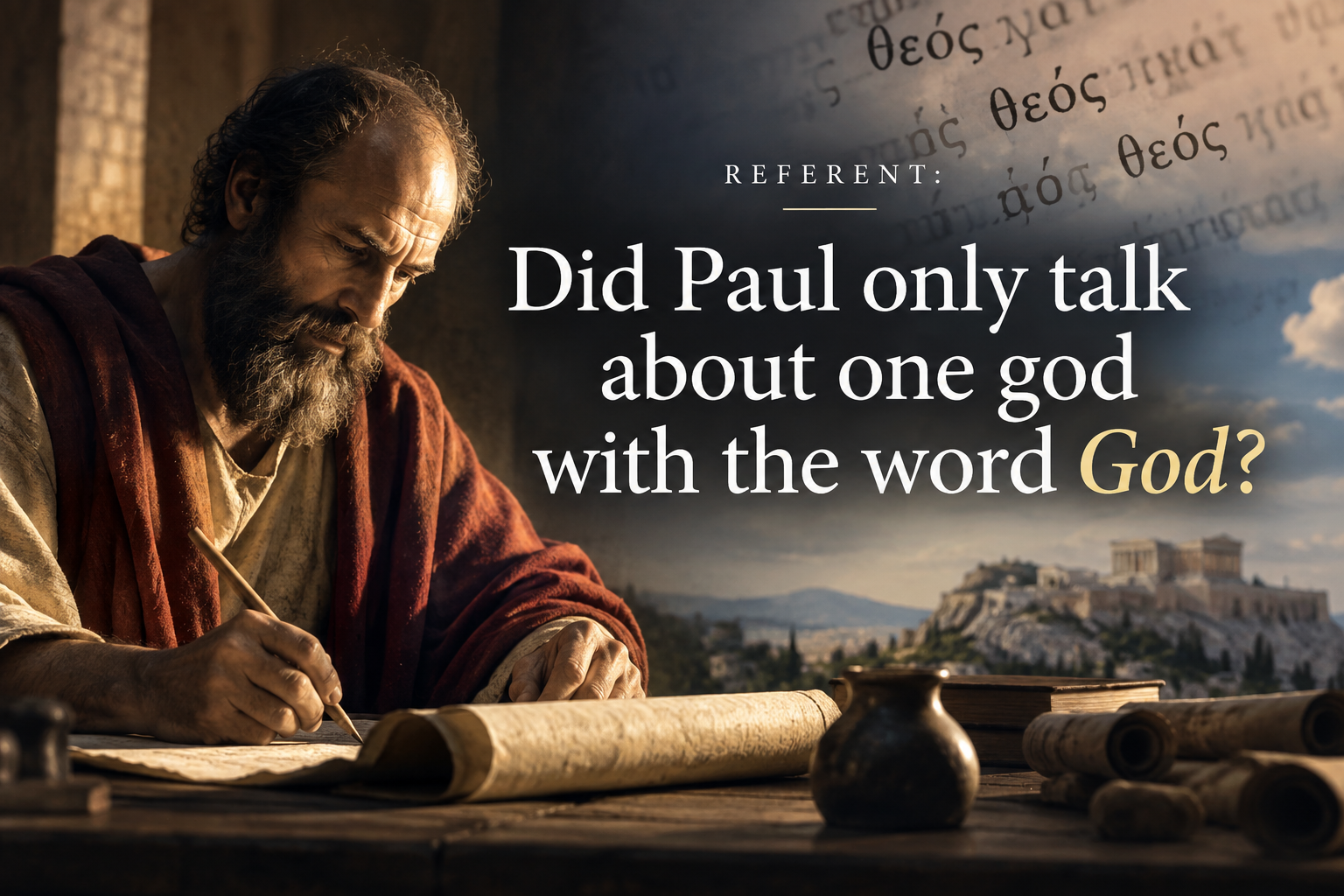 Referent: Did Paul Only Talk About One God With the word God?The word God is a title, not a name, and Paul uses it for more than one being. He applies it to the Father whom Christ disclosed, and he applies it to the god of this aeon who blinds minds so the Evangelion cannot reach them. Reading both as one voice forces you to explain why the Father would hide the light of His own Son. He does not. Paul is naming two referents.Oct 1
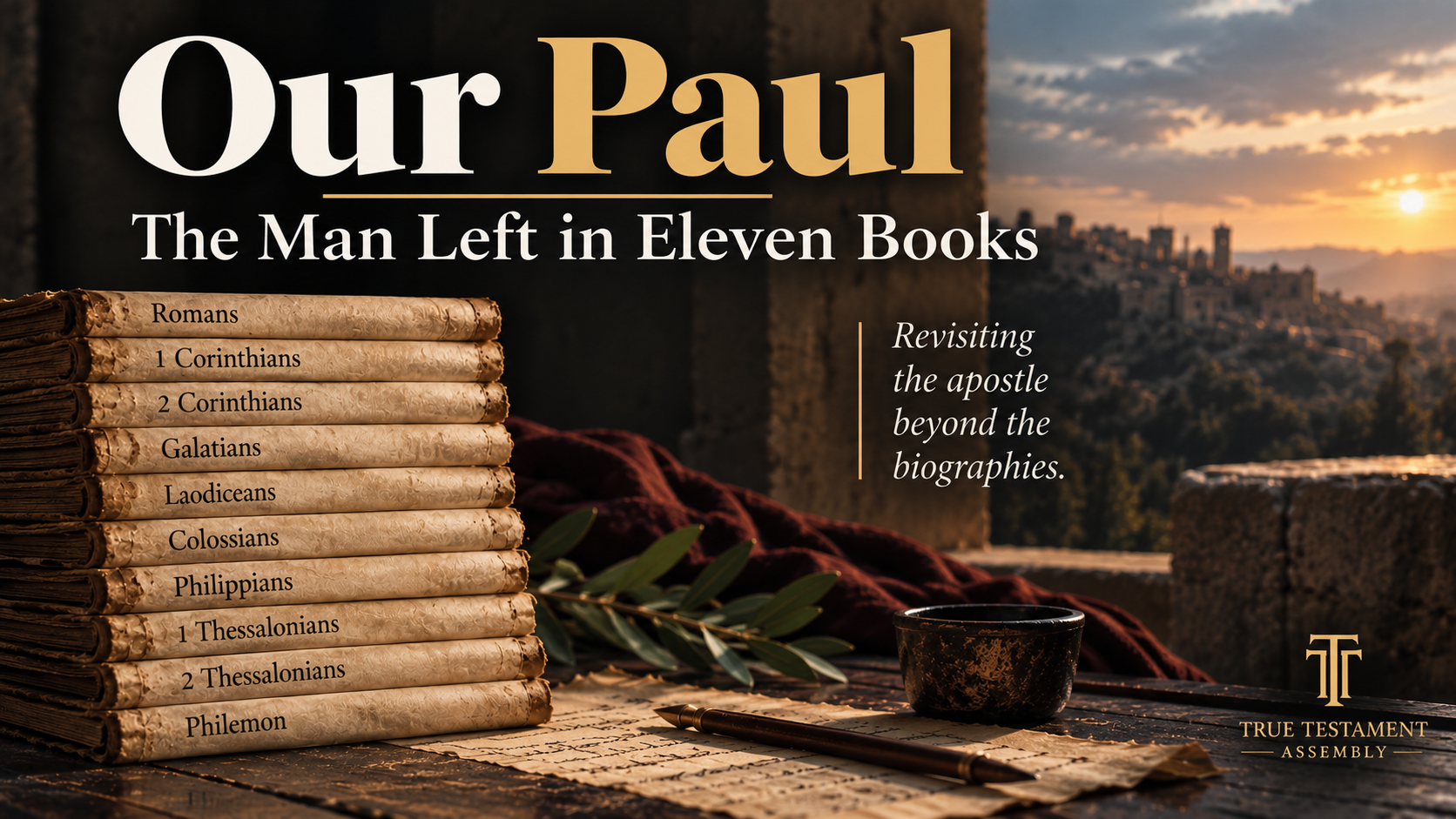 Our Paul: The Man Left in Eleven BooksThe Paul most people know was assembled from Acts, the Pastorals, and the habit of finishing his sentences with books he never wrote. The eleven books of the True Testament leave a different man: a Benjaminite who fought the assemblies, then was ruptured by a revelation of the Good Father, with no road to Damascus, no council that cleared him, and no death in the capital.Oct 1
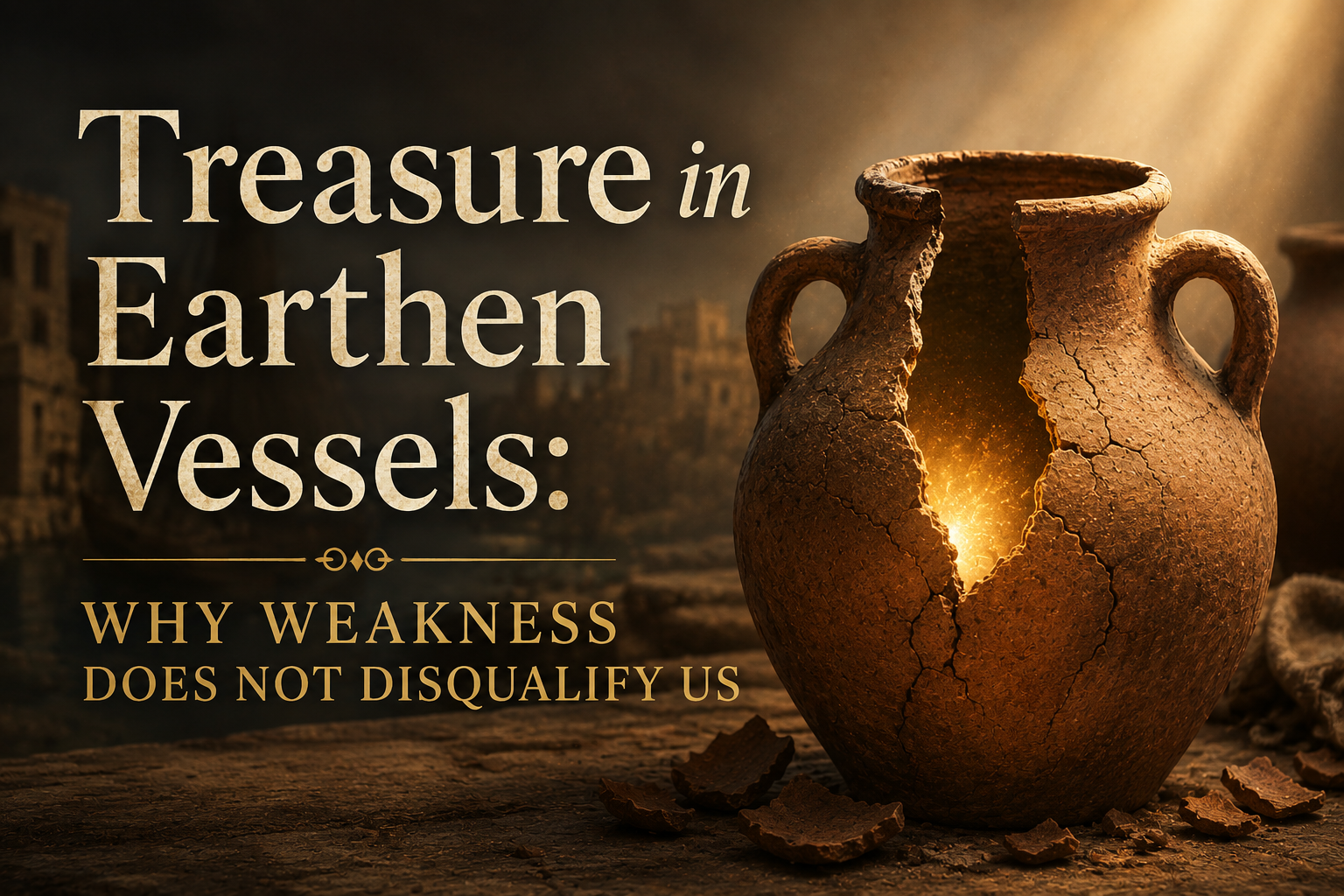 Treasure in Earthen Vessels: Why Weakness Does Not Disqualify UsPaul’s image of treasure carried in earthen vessels offers a theology of human limitation without shame. Drawing upon the ordinary place of pottery in the Roman world, this article reads 2 Corinthians 4 within its immediate literary setting and alongside Paul’s teaching on comfort and weakness. The vessel is fragile, but it is neither useless nor rejected. Its limitations ensure that the power manifested through it cannot be mistaken for its own. Paul therefore presents weakness not as a qualification for abandonment but as the place where the Father’s sustaining power becomes unmistakable.Aug 29
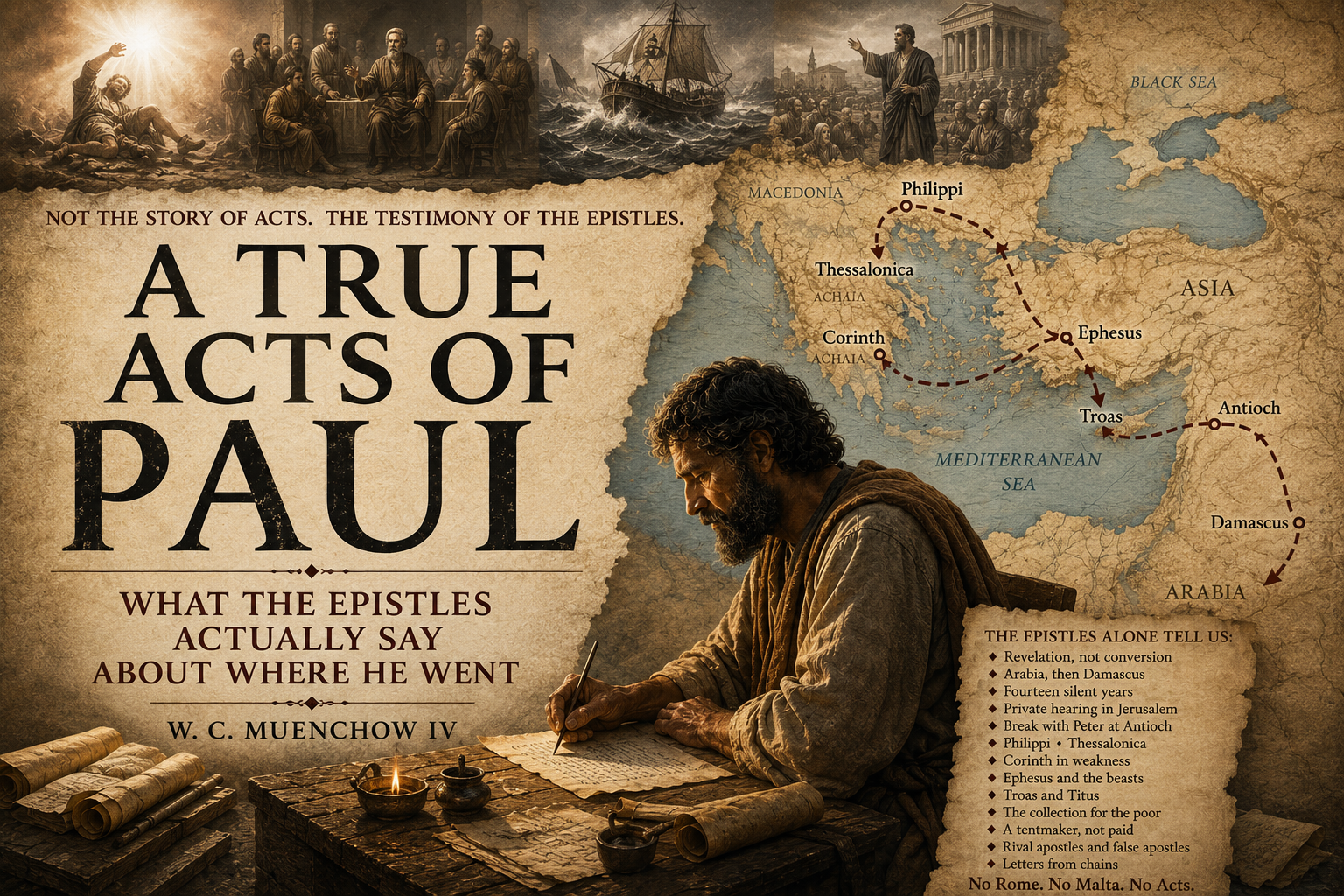 A True Acts of Paul: What the Epistles Actually Say About Where He WentA sober reconstruction of where Paul actually went and what he actually did, drawn only from the True Testament epistles we hold — without leaning on the book of Acts or the Pastorals, and without citing verses that the orthodox editors later inserted into the letters themselves.Jun 23