
The journal of the True Testament Assembly
Studies in Marcionite Christianity, Canon, and Origins. Edited by W. C. Muenchow IV
Topic
Christ
7 articles, newest first
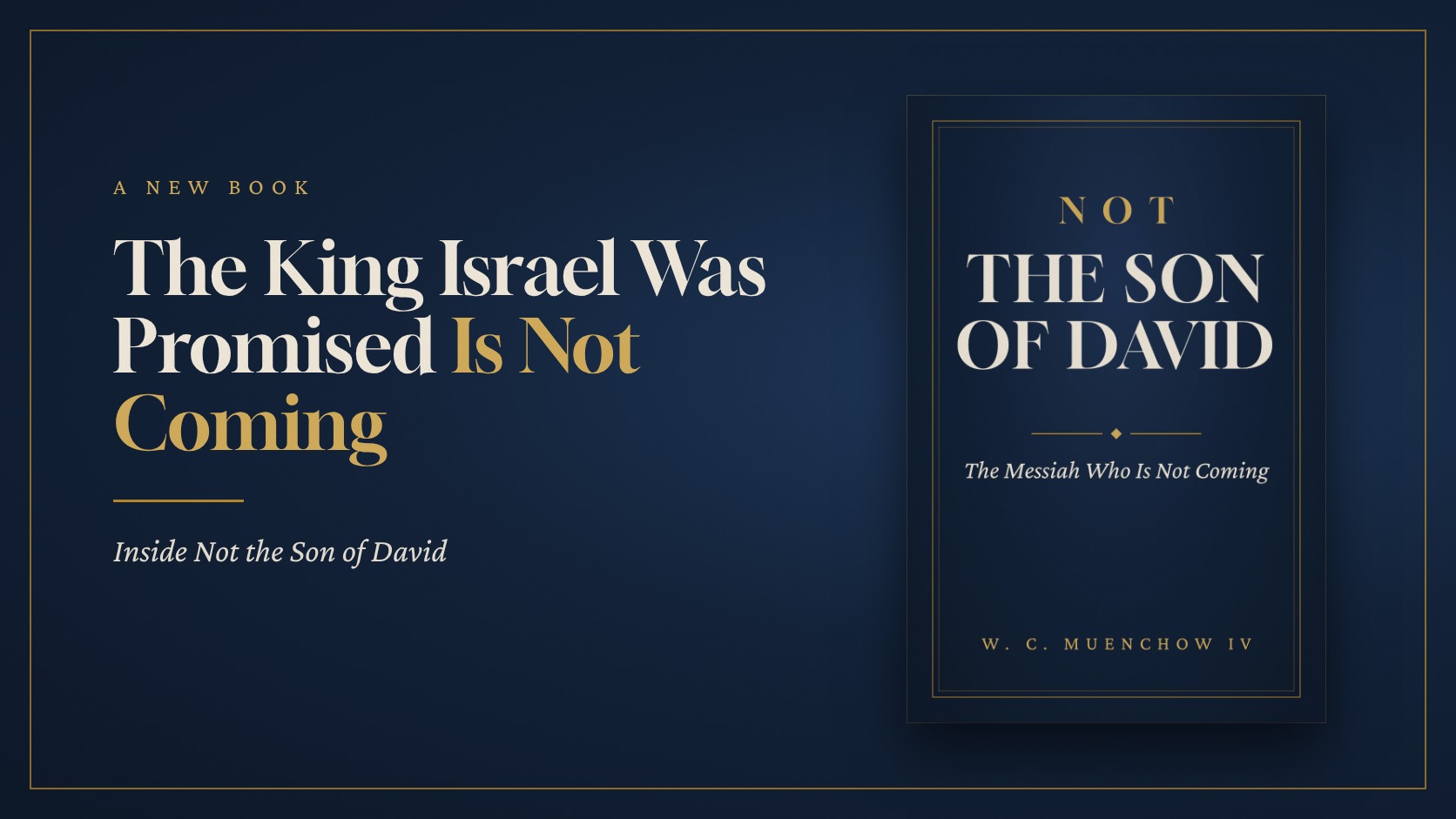 The King Israel Was Promised Is Not Coming: Inside Our New Book, Not the Son of DavidOur new book, Not the Son of David: The Messiah Who Is Not Coming, argues that Jesus was never the king the prophets promised Israel, and that the king they promised is not coming. This is a guide to its case: the title Jesus kept refusing, the five reasons drawn from Jesus and Paul, the church’s strongest replies, and what it all means for Israel and for you.Nov 17
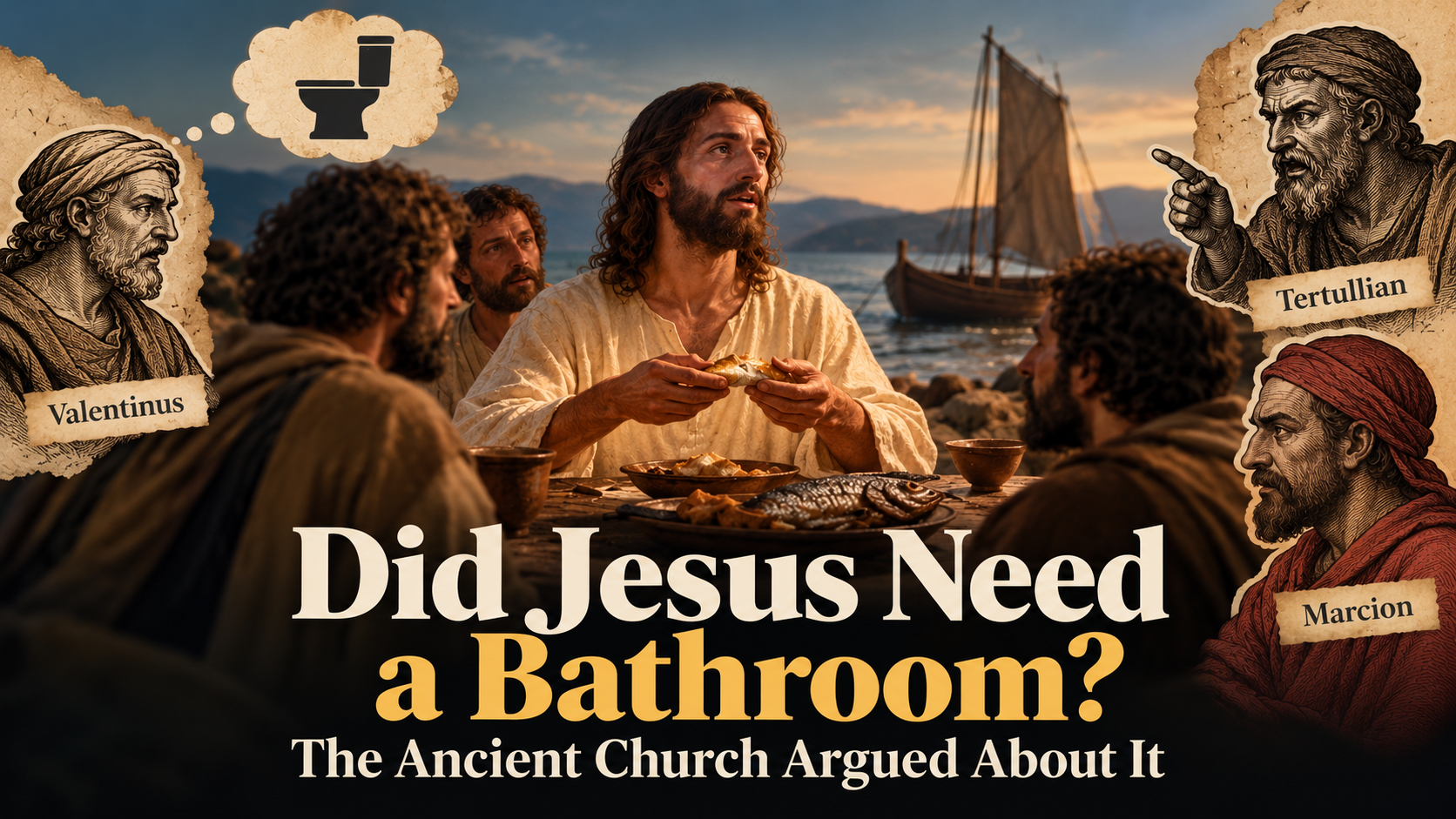 Did Jesus Need a Bathroom? The Ancient Church Argued About ItIn the second century, Christian teachers argued about whether Jesus needed a bathroom. Valentinus said no: Jesus ate and drank, but the food never passed out of him, because nothing in him could decay. Tertullian reports that the Marcionites called human flesh “stuffed with dung,” and he aimed his strongest ridicule at their disgust with birth. Marcion’s own Gospel answers the question with a meal. Jesus eats at tables and sleeps in a boat, and after he rises he asks for food and eats broiled fish in front of his disciples. Tertullian confirms that scene stood in Marcion’s text. Our position is that Christ was not born, but his body was real. He did not come from the Creator’s machinery of birth, and he did not pretend to be above the life of a body.Oct 23
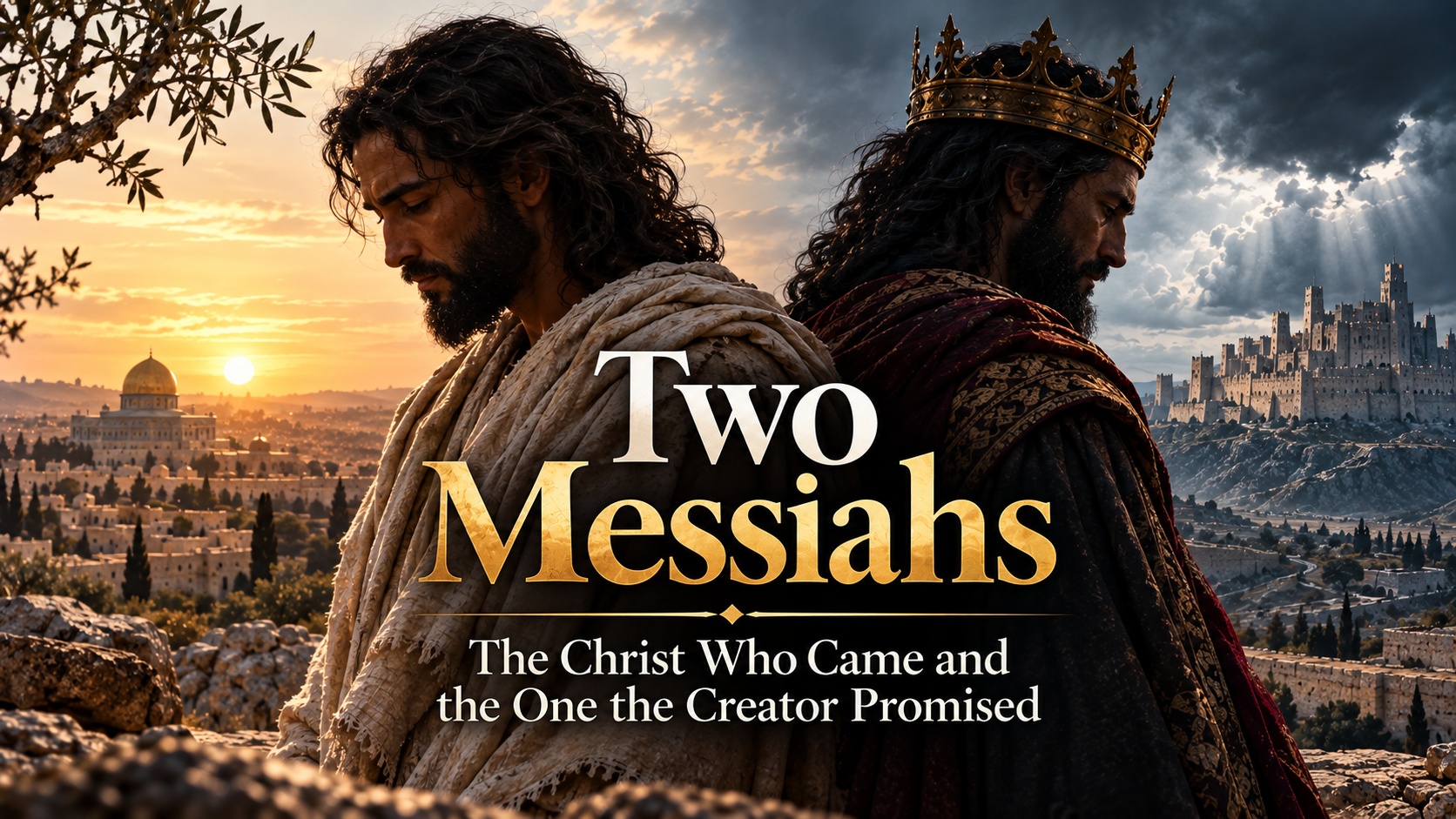 Two Messiahs: The Christ Who Came and the One the Creator PromisedMarcion taught two Christs because there are two Gods. The Creator promised Israel a Messiah, a son of David who would restore the kingdom. The Christ who descended into Capernaum was sent by the unknown Father for all nations and carried none of that promise. This article sets out three witnesses to that teaching. Tertullian states it five times as common ground, and the Dialogue of Adamantius shows Marcionites still pressing it. Ritschl, Baur, Zahn and Harnack, reconstructing Marcion's gospel, found no Davidic descent, no Jewish Messiah, and a Christ who will not profess the title at his trial. The Evangelion itself shows Christ silencing the title, asking how the Christ can be David's son, refusing a timetable for the kingdom, and warning his own against anyone who says "I am the Christ." The article then sets out the order of the end as we hold it: the defection, the revealing of the person of fault, whom we identify as the Creator, and a Creator's Messiah who never arrives because his promise ends with his aeon. It answers three objections to reading the person of fault as the Creator. It closes with Tertullian's own confession of a thousand-year kingdom in Jerusalem, and asks which Messiah Christian Zionism is waiting for.Oct 7
 Did Jesus Pray to Yahweh?Everyone assumes Christ prayed to the God of Sinai under a warmer title, and commentators state it as background rather than as a claim. This article inventories all ten prayers of Christ in the Evangelion in the Greek our translation works from. He prays constantly, never names the Creator, never addresses His covenant name or sanctuary, and tells His own disciples that this Father was unknown until He arrived.Oct 1
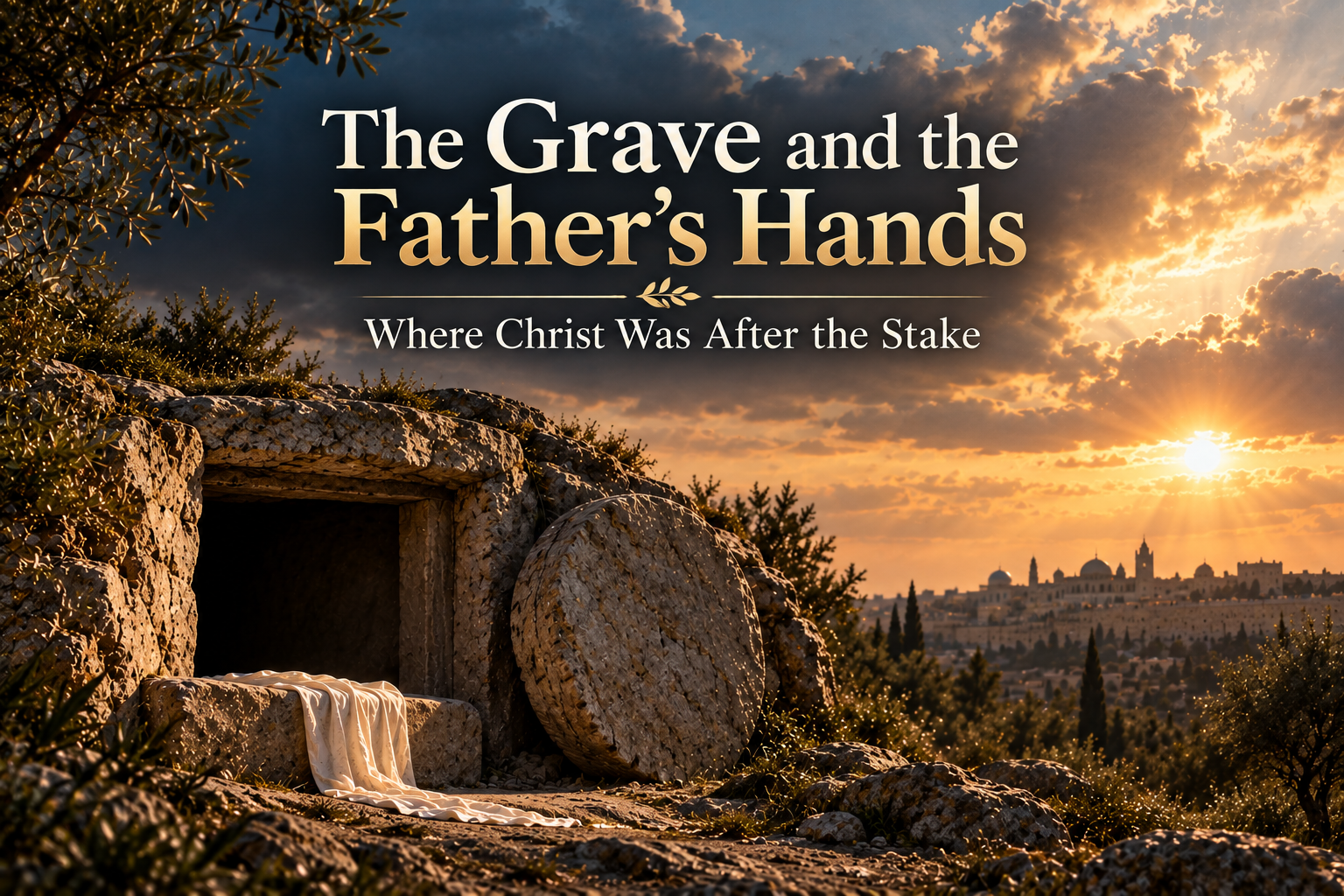 The Grave and the Father's Hands - Where Christ Was After the StakeAfter they staked Him, Christ did not go to a hell. Nobody built one — not the Father, not the Creator. The Evangelion puts His body in the tomb and His spirit in the Father's hands. The three days are how long the grave held the body, not a journey through another country. He was not among the dead as a visitor emptying a prison. The Father awakened Him. The unrescued are not waiting in a pen He raided; they perish in this domain until the parousia extracts them.Oct 1
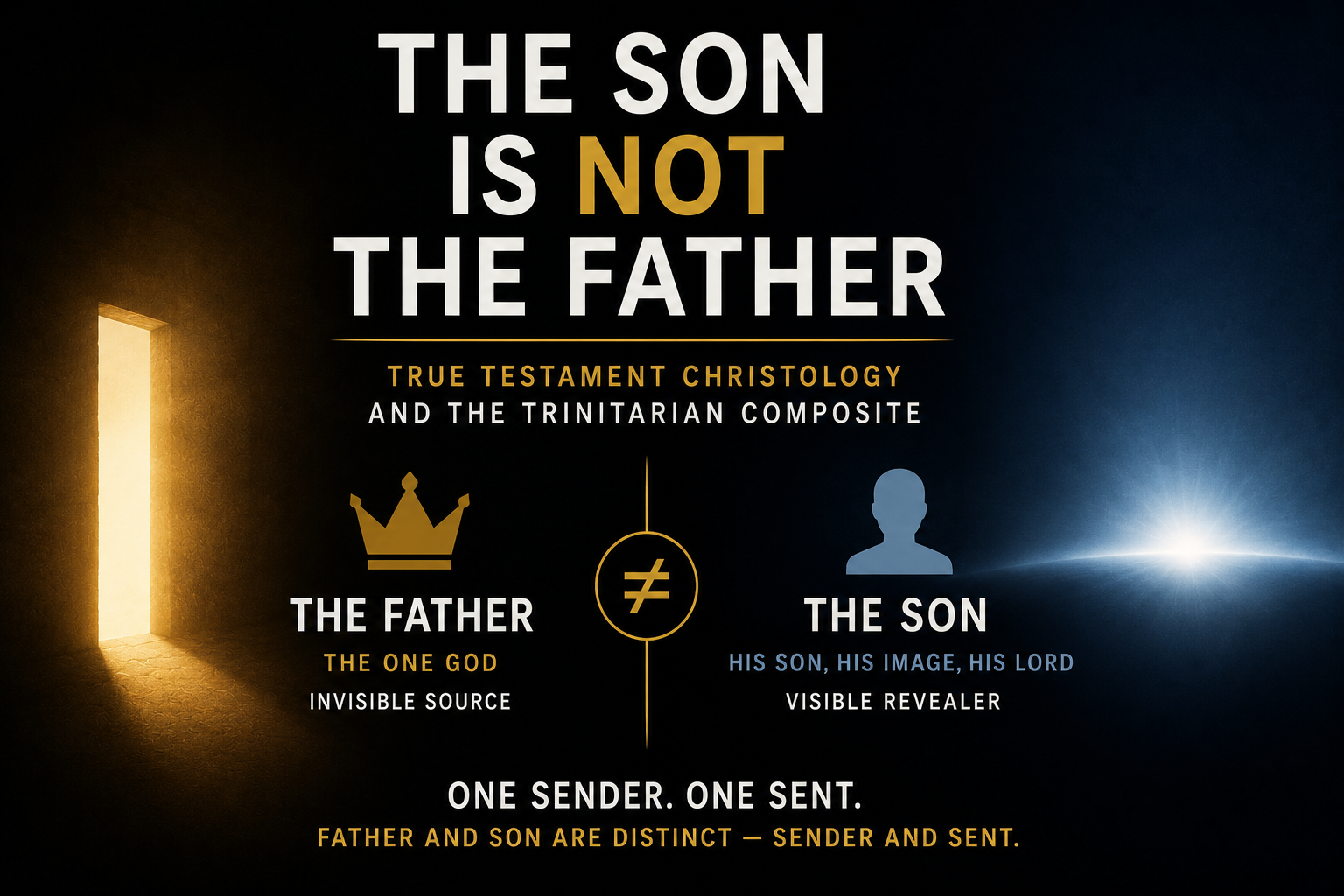 The Son Is Not the Father: True Testament Christology and the Trinitarian CompositeA sustained reading of the Evangelion and the Apostolikon on the identity of Christ. He never names himself God. He refuses even the predicate "good." He silences the titles shouted at him. He calls himself Son of Man. Paul keeps the line clean: one God, one Lord — distinct. The Trinity is a fourth-century orthodox composite that the True Testament does not teach.May 19
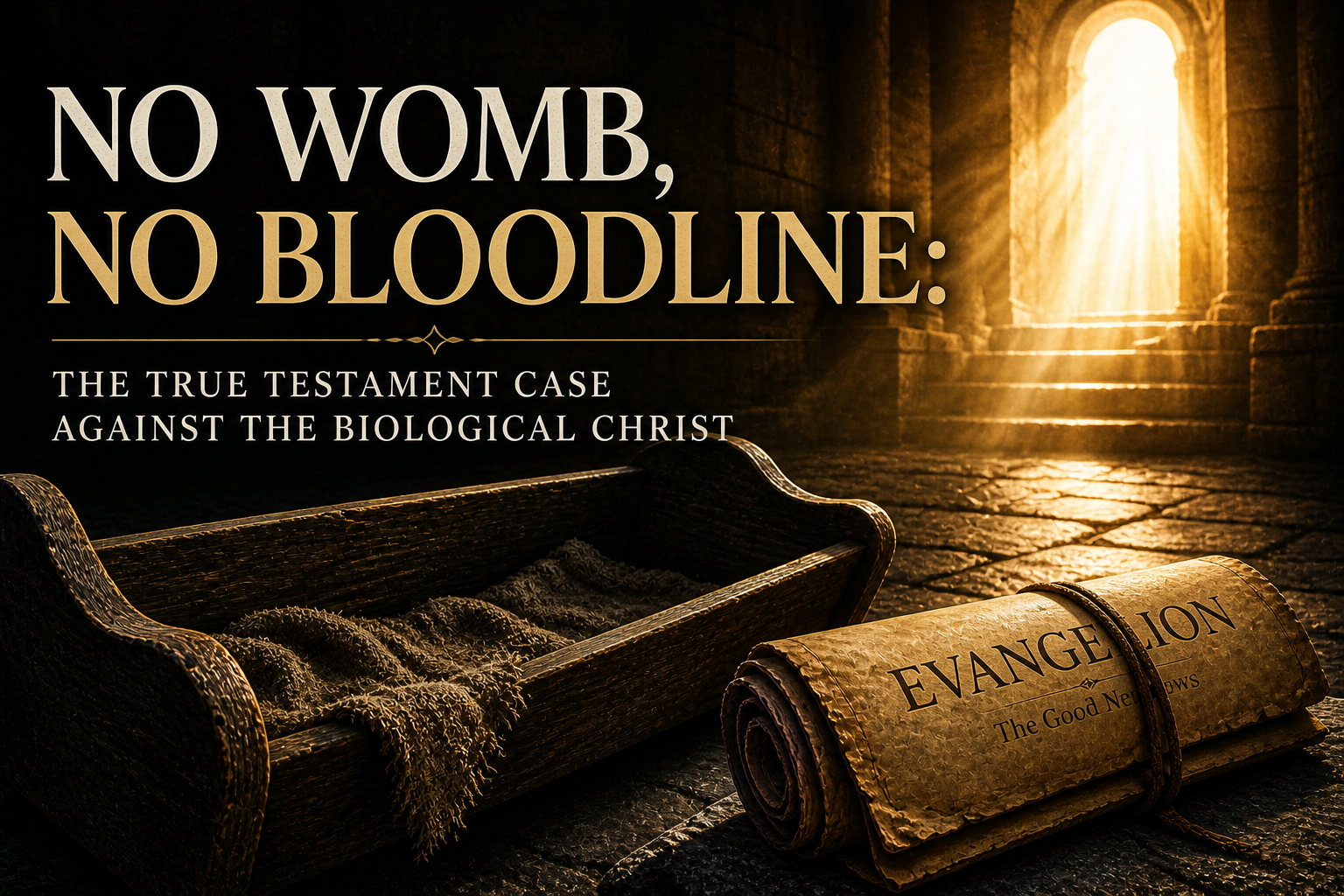 No Womb, No Bloodline: The True Testament Case Against the Biological ChristThe True Testament contains no birth narrative, no genealogy, and no biological mother. Christ appeared — descending from the Unknown Father in the likeness of flesh, not through ordinary generation. Every claim of a mother or brothers is either an external assertion he rejected or an orthodox forgery designed to chain him to the Creator's material lineage.May 2